

Structural Safety
Let us understand how we can help you
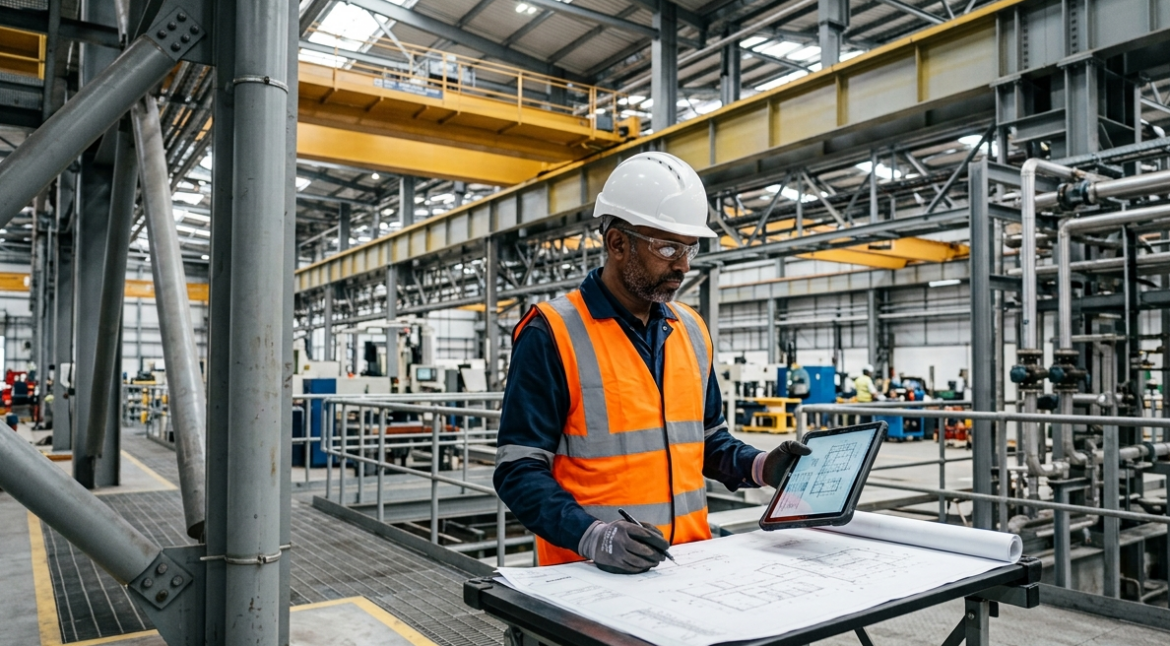
A Structural Stability Certificate is an engineering certification issued after assessing the safety, stability, and structural adequacy of a building or industrial structure. It provides an independent professional opinion on whether a structure is fit for continued use, requires repairs, or needs strengthening before occupancy or operation.
Indsafe provides Structural Stability Certification Services across India for industrial facilities, commercial buildings, warehouses, institutions, and infrastructure projects. Our certification process combines structural audit findings, engineering evaluations, design review, and supporting test data to help organizations meet statutory requirements, insurance obligations, redevelopment approvals, and due diligence requirements.
Whether you require certification for an existing structure, a renovated facility, a lease renewal, or a regulatory submission, our experienced structural engineers deliver technically sound and standards-based assessments.
What is a Structural Stability Certificate?
A Structural Stability Certificate is a formal engineering document issued by a qualified Structural Engineer or Chartered Engineer after evaluating the condition, strength, and serviceability of a structure.
The certificate confirms whether the structure can safely withstand the loads and conditions for which it is intended.
Depending on the assessment findings, the structure may be classified as:
- Fit for continued use
- Safe with minor repairs
- Requires major repair or retrofitting
- Unsafe for occupation or operation
Unlike a visual inspection alone, a Structural Stability Certificate is supported by engineering evaluation and, where required, structural audit findings, Non-Destructive Testing (NDT), design verification, and load assessment.
Why is a Structural Stability Certificate Important?
Many industrial and commercial structures continue operating for decades while undergoing equipment additions, operational changes, renovations, and environmental exposure. Without periodic engineering assessment, structural deterioration may remain unnoticed until it becomes a serious safety concern.
Obtaining a Structural Stability Certificate helps organizations:
- Demonstrate structural safety to regulatory authorities.
- Support statutory compliance requirements.
- Meet insurance and risk management requirements.
- Facilitate lease renewals and property transactions.
- Support redevelopment and renovation approvals.
- Improve confidence in the structural integrity of critical assets.
- Reduce operational risks associated with ageing infrastructure.
When is a Structural Stability Certificate Required?
A Structural Stability Certificate may be required in several situations, including:
- Existing industrial buildings and factories
- Commercial buildings
- Warehouses and logistics facilities
- Educational institutions
- Hospitals
- High-rise buildings
- Buildings undergoing renovation or expansion
- Installation of heavy machinery or additional loads
- Lease renewals
- Insurance assessments
- Redevelopment projects
- Statutory approvals from local authorities
Our Scope of Work
Our Structural Stability Certification process follows a systematic engineering approach to evaluate the structural adequacy of existing buildings and industrial structures.
1. Review of Structural Audit Findings
Where available, we review the Structural Audit Report, inspection observations, and engineering findings to establish the current condition of the structure.
2. Review of Engineering Documents
Our engineers verify available:
- Structural drawings
- Design calculations
- Design basis reports
- Previous inspection reports
- Maintenance records
- Repair history
- Structural modification records
This helps confirm whether the structure continues to satisfy its original design intent.
3. Evaluation of Supporting Test Data
Where applicable, we review results from:
- Non-Destructive Testing (NDT)
- Concrete strength assessment
- Steel testing
- Foundation investigations
- Material testing
- Structural load assessment
Supporting technical data provides greater confidence in the engineering evaluation.
4. Structural Engineering Evaluation
Based on inspection findings, available documentation, and supporting test data, our engineers assess:
- Structural integrity
- Structural stability
- Load-bearing adequacy
- Serviceability
- Visible deterioration
- Structural distress
- Overall safety for continued use
5. Classification of Structural Condition
Following the assessment, the structure is classified into one of the following categories:
- Fit for continued use
- Requires minor repairs
- Requires major repairs or strengthening
- Unsafe for occupancy or operation
The classification assists owners in planning corrective actions based on engineering priorities.
6. Issuance of Structural Stability Certificate
Upon satisfactory engineering evaluation, Indsafe issues a Structural Stability Certificate signed by a qualified Chartered Structural Engineer.
The certificate includes:
- Building identification
- Engineering observations
- Scope of assessment
- Structural condition
- Certification statement
- Validity recommendations
- Engineer’s endorsement
7. Support for Statutory Submission
Where required, we assist clients in submitting the Structural Stability Certificate to:
- Municipal Authorities
- Factory Authorities
- RERA
- Insurance Companies
- Housing Societies
- Project Consultants
- Other regulatory agencies
8. Recommendation for Future Assessment
Structural performance changes over time due to ageing, operational loads, and environmental exposure.
Our engineers recommend an appropriate validity period and suggest the next structural assessment based on the condition and criticality of the structure.
Our Assessment Methodology
Our certification process typically includes:
Step 1 – Collection of Engineering Documents
Review of structural drawings, design calculations, maintenance records, and previous reports.
Step 2 – Site Inspection
Inspection of structural elements to identify deterioration, damage, or modifications.
Step 3 – Engineering Evaluation
Assessment of structural integrity and load-bearing adequacy.
Step 4 – Review of Supporting Test Data
Evaluation of NDT results, material testing, or other investigations where applicable.
Step 5 – Certification Decision
Engineering judgement regarding the structural stability of the building.
Step 6 – Issuance of Structural Stability Certificate
Preparation and issuance of the certification along with observations and recommendations.
Applicable Standards & Guidelines
Our assessments are carried out in accordance with applicable engineering standards and regulatory requirements, including:
- IS 456:2000 – Plain and Reinforced Concrete
- IS 800:2007 – General Construction in Steel
- IS 875 Series – Design Loads
- IS 1893 – Earthquake Resistant Design of Structures
- National Building Code (NBC) of India
- Factory Act Requirements (where applicable)
- Local Municipal Authority Guidelines
Industries We Serve
We provide Structural Stability Certification Services for:
- Manufacturing Facilities
- Chemical & Petrochemical Plants
- Pharmaceutical Industries
- Warehouses & Logistics Parks
- Commercial Buildings
- Hospitals
- Educational Institutions
- Infrastructure Projects
- Power Plants
- Industrial Buildings
- Residential & High-Rise Buildings
Why Choose Indsafe?
Qualified Structural Engineers
Assessments conducted by experienced structural engineering professionals.
Standards-Based Engineering
Certification aligned with applicable Indian Standards and recognised engineering practices.
Comprehensive Evaluation
Combining structural audit findings, engineering review, and supporting technical data.
Practical Recommendations
Providing clear guidance on repairs, strengthening, monitoring, and future assessments.
Pan-India Support
Serving industrial and commercial clients across India.
Related Structural Safety Services
Depending on project requirements, organizations may also benefit from:
- Structural Audit & Condition Assessment
- Structural Load & Foundation Assessment
- NDT Testing & STAAD Analysis
- Chartered Engineer Services
- Seismic Vulnerability Assessment
- Retrofitting, Rehabilitation & Strengthening
- Structural Health Monitoring (SHM)
Frequently Asked Questions
A Structural Stability Certificate is generally issued by a qualified Structural Engineer or Chartered Engineer after evaluating the structural condition and supporting engineering information.
In many cases, yes. A Structural Audit provides the engineering basis for evaluating the condition of the structure. Additional investigations such as NDT may also be recommended where necessary.
The validity depends on the structure's condition, applicable regulations, and the engineer's professional assessment. Periodic reassessment may be recommended for ageing or critical structures.
Where the available engineering evidence is sufficient, testing may not always be necessary. However, if structural concerns are identified, supporting investigations such as NDT or load assessment may be required before certification.
Get in Touch
Ensure the safety, compliance, and long-term reliability of your structures with Indsafe’s Structural Stability Certification Services. Our experienced structural engineers provide independent engineering assessments and certification to help organizations meet statutory obligations, support operational safety, and make informed asset management decisions.