

Let us understand how we can help you
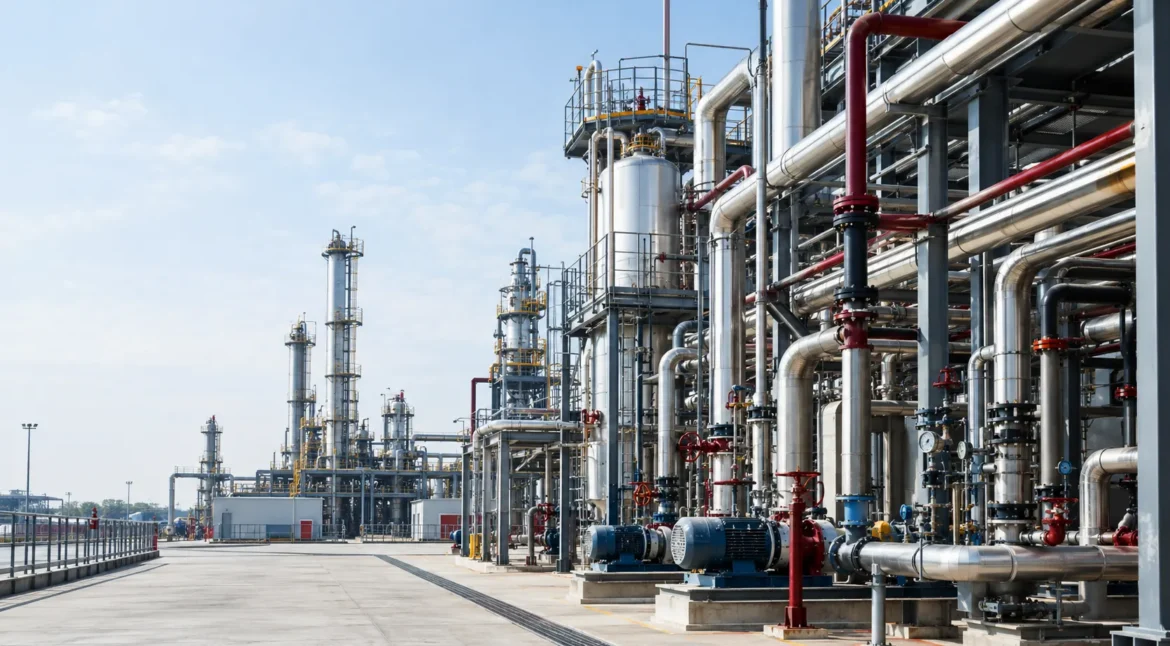
Industrial projects depend on sound process engineering decisions from the earliest stages of development. Process design establishes the technical basis for how a facility operates, how equipment and utilities are sized, how process conditions are controlled, and how safety and operability requirements are incorporated into the design.
INDSAFE provides Process Design Engineering Services for new facilities, plant expansions, process modifications, revamps, debottlenecking projects, and existing facility improvements. Our approach integrates process calculations, engineering documentation, equipment requirements, utilities, hydraulics, operability, and process safety considerations to develop practical engineering solutions for industrial facilities.
Why Process Design Engineering Matters
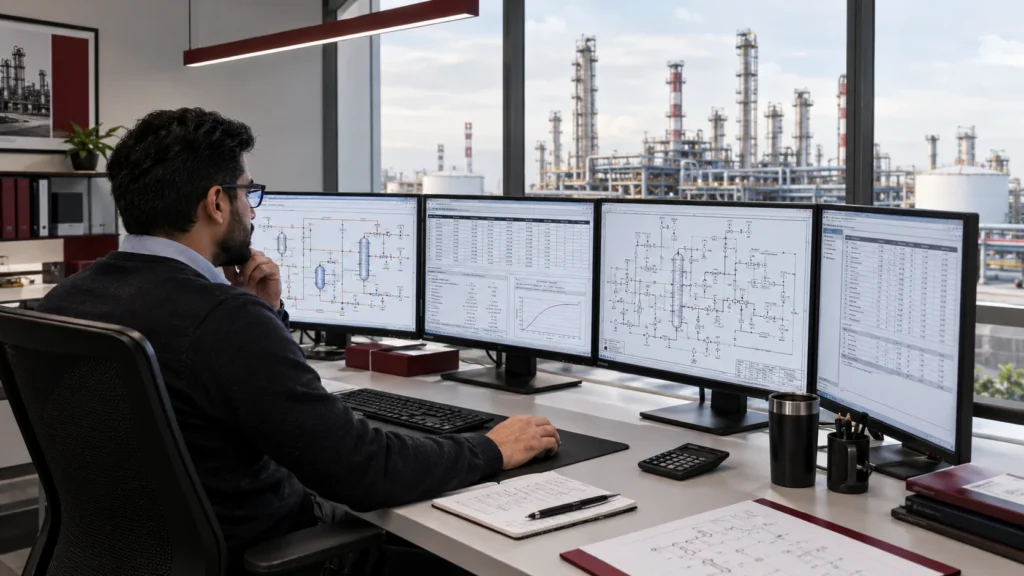
Process design decisions made during the early stages of a project can directly influence plant performance, capital requirements, operating costs, maintainability, and process safety.
A structured process engineering approach helps organizations:
- Establish clear process design criteria and operating conditions
- Define process flows and material and energy requirements
- Determine equipment and utility requirements
- Identify process constraints and potential bottlenecks
- Improve process efficiency and operating reliability
- Support plant modifications and capacity expansion
- Integrate process safety considerations into engineering decisions
- Reduce design changes and operational issues during later project stages
Effective process design therefore provides the technical foundation for subsequent engineering, procurement, construction, commissioning, and operation.
Our Process Design Engineering Capabilities
Process Design Basis Development
We develop and review the Process Design Basis that establishes the fundamental engineering criteria for a project.
This may include:
- Design and operating conditions
- Feed and product characteristics
- Production capacity and throughput
- Process operating philosophy
- Design margins and assumptions
- Utility requirements
- Applicable design criteria and project constraints
A clearly defined design basis provides consistency across subsequent engineering disciplines.
Process Simulation & Modelling
Process simulation and modelling can be used to evaluate process performance, operating conditions, process alternatives, and design scenarios.
Depending on project requirements, our process engineering studies may support:
- Process performance evaluation
- Material and energy balance development
- Operating condition assessment
- Process configuration evaluation
- Capacity and throughput assessment
- Process optimization studies
- Evaluation of process modifications
Simulation methods and software are selected according to the process and project requirements.
Heat & Mass Balance
Heat and Mass Balance (H&MB) calculations form an important part of process design and provide the basis for equipment and utility requirements.
Our calculations may establish:
- Feed and product flow rates
- Component balances
- Process temperatures and pressures
- Heat duties
- Utility requirements
- Stream properties
- Operating and design cases
The resulting process data can support equipment sizing, PFD development, utility assessment, and subsequent detailed engineering.
Process Flow Diagram (PFD) Development
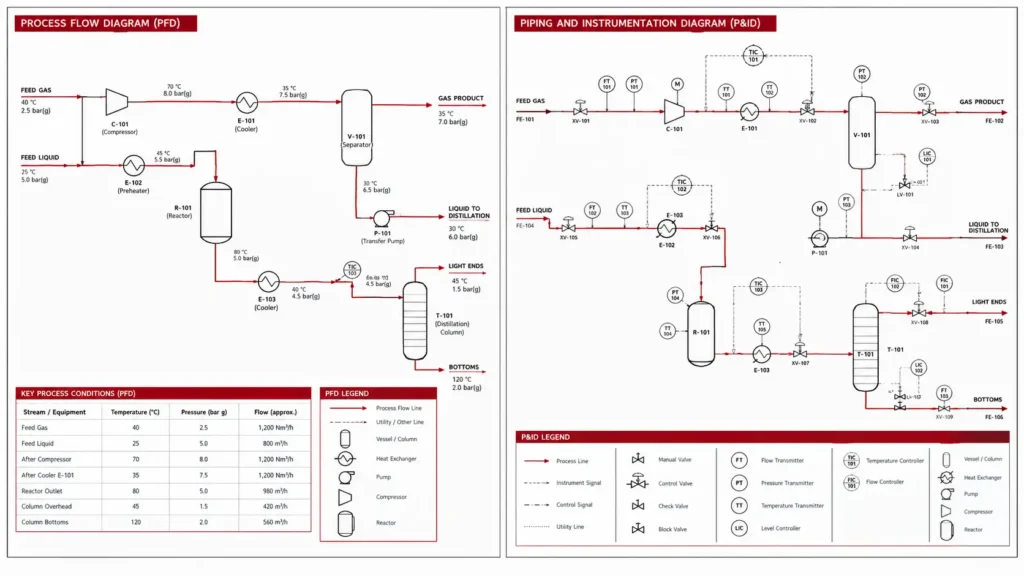
We develop and review Process Flow Diagrams (PFDs) to establish and communicate the overall process configuration.
PFDs may incorporate:
- Major process equipment
- Main process streams
- Flow rates and process conditions
- Material and energy balance information
- Major utility requirements
- Process interfaces
- Key operating parameters
PFDs provide an important bridge between process concepts, calculations, and detailed process engineering documentation.
Piping & Instrumentation Diagram (P&ID) Development
P&IDs translate process requirements into a more detailed representation of equipment, piping, instrumentation, control functions, and process interfaces.
Our P&ID development and review activities may address:
- Process and utility piping
- Equipment and equipment connections
- Valves and piping components
- Instrumentation
- Control loops
- Process isolation requirements
- Drains, vents, and other relevant connections
- Process interfaces
- Safety-related instrumentation and safeguards, where applicable
P&IDs are also important reference documents for process safety reviews, HAZOP studies, detailed engineering, commissioning, and plant operations.
Equipment Sizing & Technical Evaluation
Process engineering calculations are used to establish the required capacity and operating requirements of major process equipment.
Depending on project scope, this may include evaluation of:
- Pumps
- Heat exchangers
- Pressure vessels
- Storage tanks
- Compressors
- Reactors
- Columns
- Filtration systems
- Other process equipment
Equipment sizing considers relevant process conditions, flow rates, pressure and temperature requirements, duty, design constraints, and applicable engineering criteria.
Utility Requirements & Engineering
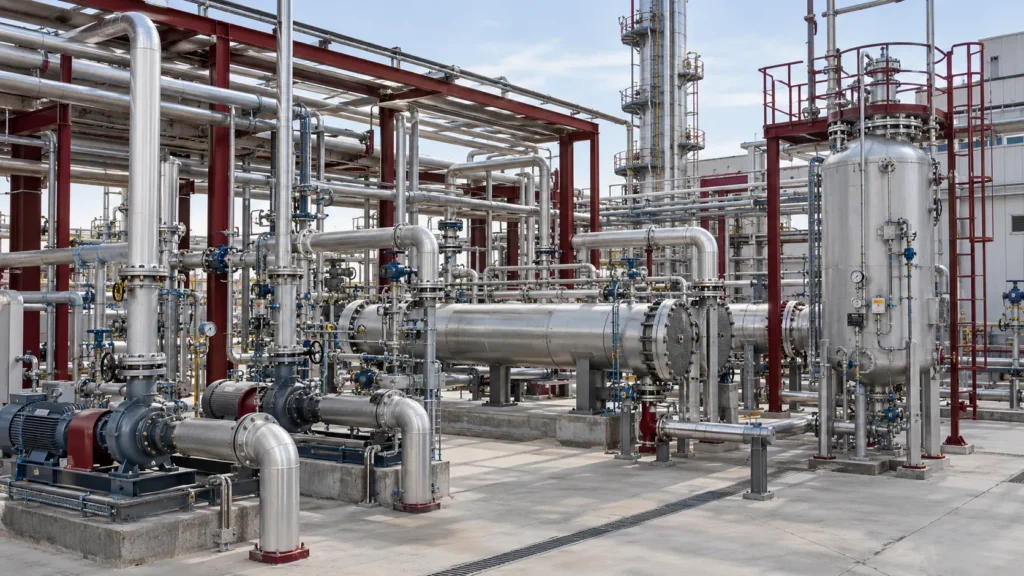
Process design must account for the utilities required to operate the facility reliably.
Our process engineering activities may include assessment of:
- Steam requirements
- Cooling water requirements
- Chilled water requirements
- Compressed air
- Nitrogen
- Process water
- Other project-specific utilities
Utility consumption estimates and process requirements can support utility system design and overall plant engineering.
Hydraulic Calculations & Flow Analysis
Hydraulic analysis helps evaluate flow behaviour and pressure requirements within process and utility systems.
Depending on the project, studies may include:
- Line sizing
- Pressure drop calculations
- Pump head calculations
- Flow distribution assessment
- Network flow analysis
- Hydraulic performance evaluation
These calculations help establish appropriate process conditions and support equipment and piping design decisions.
Process Optimization & Debottlenecking
Existing facilities may require process improvements without complete plant redevelopment.
Our process engineering support can help identify:
- Production constraints
- Equipment limitations
- Hydraulic restrictions
- Utility constraints
- Process inefficiencies
- Capacity limitations
- Opportunities for throughput improvement
Debottlenecking studies can support capacity expansion, process modifications, revamp projects, and improvement of existing plant performance.
Process Safety Integration
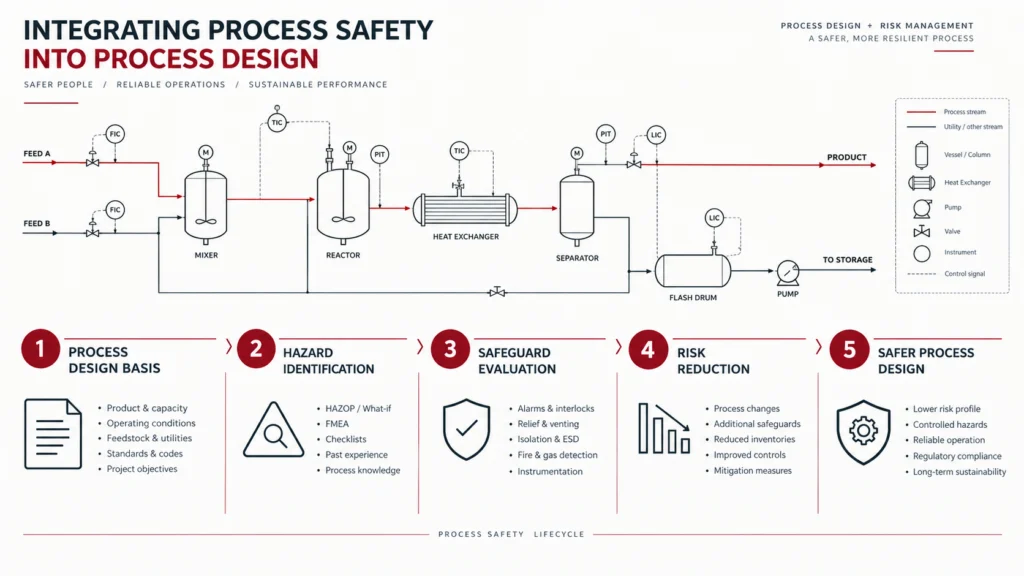
Process safety considerations are incorporated into process engineering wherever relevant to the project.
This may include consideration of:
- Process hazards
- Operating conditions
- Hazardous process inventories
- Pressure and temperature conditions
- Safeguarding requirements
- Process control and shutdown functions
- Relief and protection requirements
- Inherently safer design opportunities
- Findings from process hazard studies
Integrating process safety during design helps address hazards at their source rather than relying solely on additional protective measures after the process has been established.
Our Process Design Engineering Approach
Our methodology is structured to move from process understanding and design basis development toward engineering documentation, evaluation, and recommendations.
1. Process Understanding & Data Collection
We review available process information, production requirements, feed characteristics, operating conditions, utilities, existing documentation, and project objectives.
2. Design Basis Development
Process design criteria, assumptions, operating philosophy, design conditions, and project requirements are established or reviewed.
3. Process Calculations & Analysis
Heat and mass balances, process calculations, hydraulic assessments, equipment sizing, and other relevant engineering analyses are performed.
4. Process Simulation & Evaluation
Where applicable, process models and engineering calculations are used to evaluate operating conditions, process alternatives, and performance requirements.
5. PFD & P&ID Development
Process information is translated into engineering documentation that defines process configuration, equipment, piping, instrumentation, controls, and relevant safeguards.
6. Equipment & Utility Evaluation
Major equipment requirements and utility demands are assessed against process conditions and project requirements.
7. Process Safety Review
Relevant process hazards, safeguards, operating requirements, and risk-reduction considerations are incorporated into the engineering process.
8. Engineering Recommendations
The final engineering assessment provides practical recommendations to support project execution, process improvement, modification, optimization, or safe operation.
Process Design Engineering for New & Existing Facilities
INDSAFE supports process engineering requirements across different stages of an industrial facility’s lifecycle.
New Projects
For new facilities, process design engineering can support:
- Concept development
- Basic engineering
- FEED
- Process design
- PFD and P&ID development
- Equipment sizing
- Utility assessment
- Detailed engineering interfaces
Existing Facilities
For operating plants, our process engineering support can address:
- Plant modifications
- Process optimization
- Debottlenecking
- Capacity expansion
- Process revamps
- Utility optimization
- Equipment performance issues
- Process safety improvements
This approach allows process engineering to support both greenfield projects and brownfield modifications.
Engineering Deliverables
Depending on project scope, Process Design Engineering Services may include:
- Process Design Basis
- Heat & Material Balance
- Process Flow Diagrams (PFDs)
- Piping & Instrumentation Diagrams (P&IDs)
- Process calculations
- Equipment sizing calculations
- Hydraulic calculations
- Utility requirement calculations
- Process data and engineering documentation
- Process design recommendations
- Debottlenecking and optimization assessments
Specific deliverables are defined according to project requirements, engineering stage, and agreed scope of work.
Industries We Support
Our process engineering capabilities can be applied across a range of process and industrial facilities, including:
- Chemical Manufacturing
- Specialty Chemicals
- Petrochemicals
- Oil & Gas
- Pharmaceuticals
- Food & Beverage Processing
- FMCG Manufacturing
- Power Generation
- Renewable Energy
- General Industrial Manufacturing
Why Choose INDSAFE for Process Design Engineering?
Process design is not limited to calculations and engineering drawings. The quality of process engineering depends on understanding how process performance, equipment, utilities, operability, safety, and plant operations interact.
INDSAFE brings together expertise across:
- Process Engineering
- Process Safety
- Risk Management
- Fire Safety
- Electrical Safety
- Industrial Operations
This multidisciplinary perspective helps us develop engineering recommendations that consider both the technical requirements of the process and the safety and operational conditions of the facility.
Our objective is to deliver practical, technically sound, and safety-conscious process engineering solutions aligned with the requirements of each project.
Frequently Asked Questions
What are Process Design Engineering Services?
Process Design Engineering Services involve developing the technical basis for an industrial process, including process calculations, heat and mass balances, process flow diagrams, P&IDs, equipment sizing, utility requirements, hydraulic analysis, and process optimization.
What is the difference between process design and detailed engineering?
Process design establishes how the process is intended to operate and defines key process requirements, equipment duties, process conditions, and engineering documentation. Detailed engineering develops these requirements into discipline-specific engineering documents, drawings, specifications, and construction-ready information.
Does process design include PFD and P&ID development?
Yes. PFDs and P&IDs are important process engineering documents. PFDs communicate the overall process configuration, while P&IDs provide a more detailed representation of equipment, piping, instrumentation, controls, and relevant safeguards.
Can process design engineering support existing plants?
Yes. Process engineering can be applied to existing facilities for debottlenecking, capacity expansion, process modifications, revamps, optimization, utility assessment, and evaluation of operational constraints.
How does process safety relate to process design?
Process safety should be considered during process design because decisions involving process conditions, equipment, inventories, controls, safeguards, and process configuration can directly influence the facility’s risk profile. Early integration can help identify and address hazards before they become embedded in the design.
What information is required to start a process design project?
The required information depends on the project stage and scope. Typical inputs may include process descriptions, production requirements, feed and product information, operating conditions, existing PFDs/P&IDs, equipment information, utility data, site constraints, and applicable project design criteria.
Related Design & Engineering Services
Explore related engineering capabilities from INDSAFE:
- Design & Engineering Services
- P&ID Development & Engineering
- Plant Layout & Design
- Piping Layouts
- Isometric Drawings
- Basic Engineering
- FEED Engineering
- Detailed Engineering
- Structural Drawings
- G.A. Drawings
Discuss Your Process Engineering Requirements
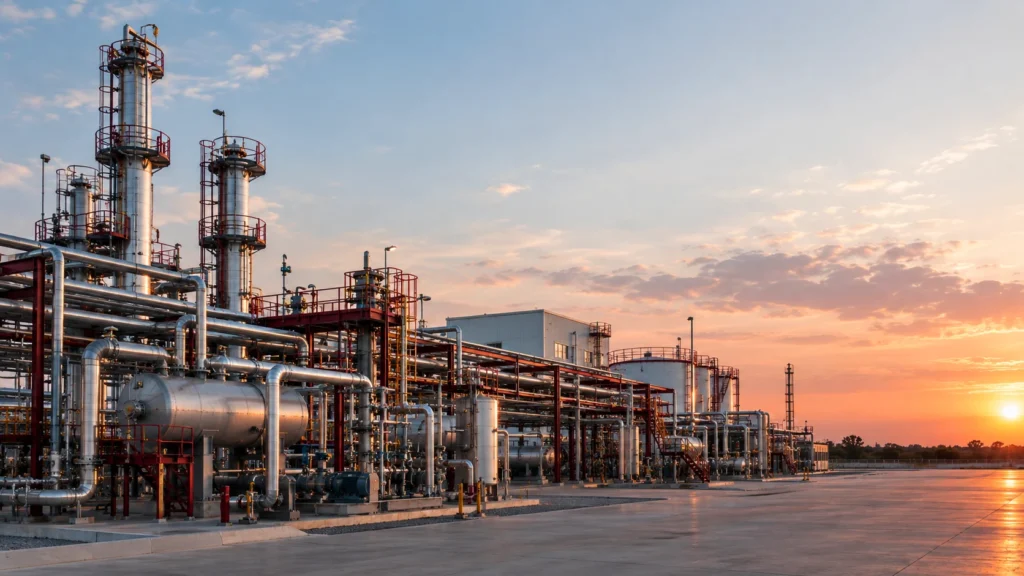
Whether you are developing a new process facility, expanding an existing plant, modifying a process, or addressing operational constraints, effective process engineering can provide the technical foundation for safer and more reliable plant performance.
Talk to INDSAFE about your Process Design Engineering requirements.