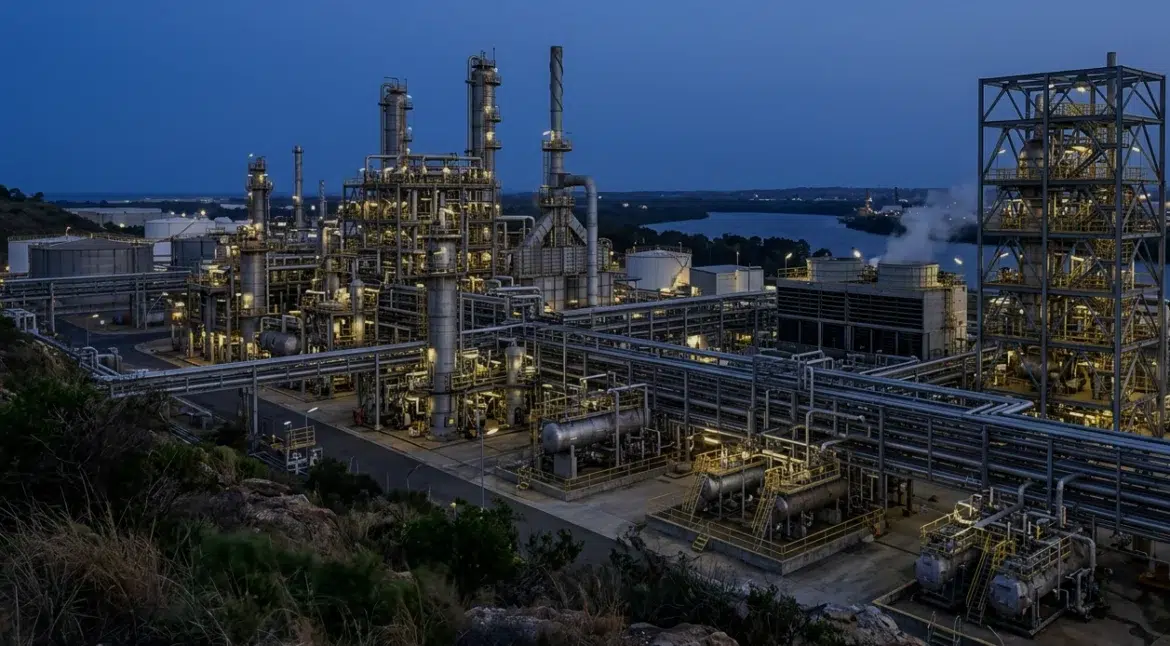

The Vizag Steel Plant Explosion on 8 June 2026 stands among the most serious industrial accidents reported in India in recent years. The incident, which occurred during casting operations at the Visakhapatnam Steel Plant (VSP), claimed nine lives and left multiple workers injured, highlighting the devastating consequences that can arise…
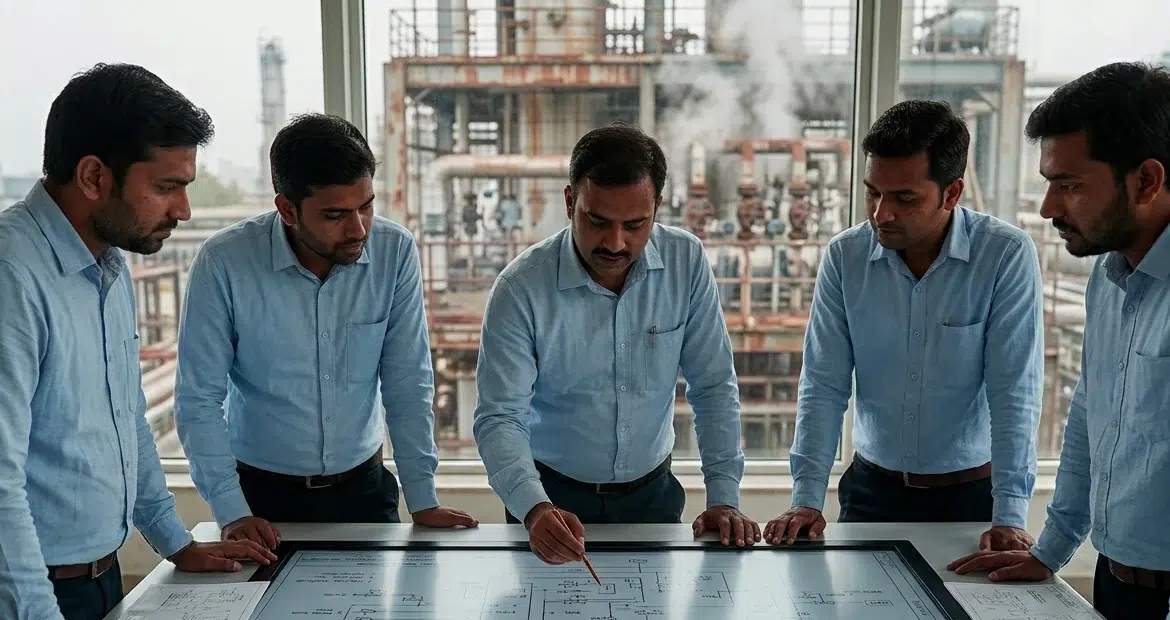
IS 5572 vs IEC 60079 for Hazardous Area Classification in India: Which Standard Should You Use? IS 5572 vs IEC 60079 is one of the most misunderstood topics in Hazardous Area Classification (HAC) studies across Indian industries. Many organizations assume that because IEC 60079 is internationally recognized, it is sufficient…
Why Particle Size Matters in Hazardous Area Classification Hazardous area classification is a critical process for identifying locations where combustible dust atmospheres may create explosion risks. In industries handling powders, fine particulate materials, and dust-generating operations such as grinding, milling, conveying, mixing, and packaging, particle size plays a major role…
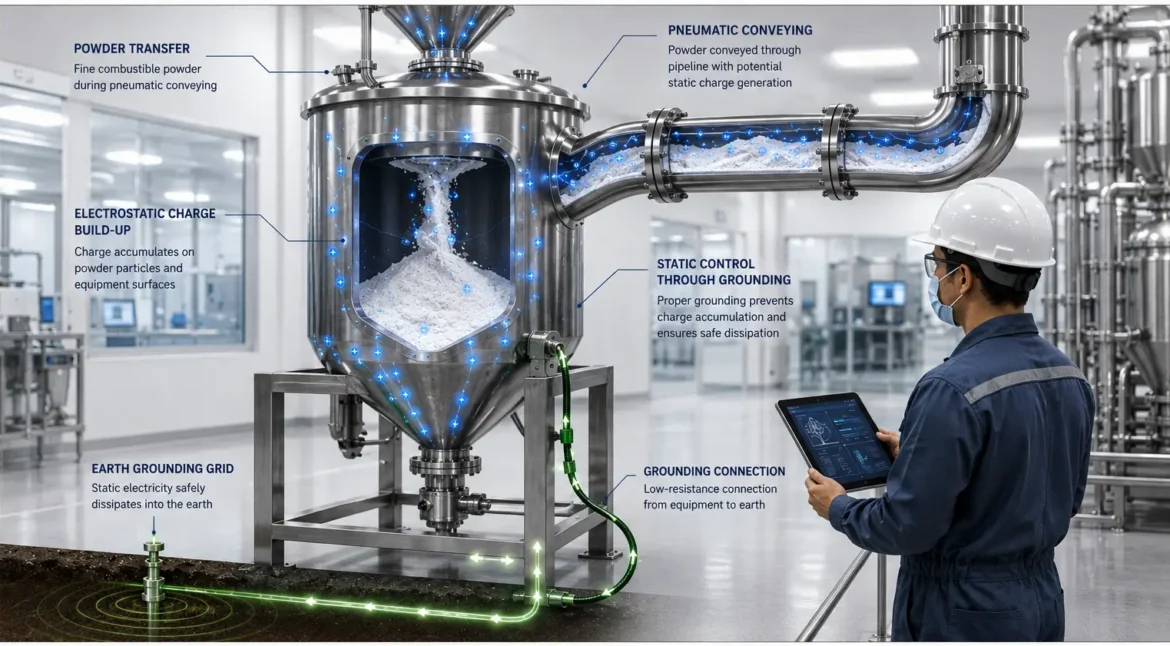
Many major industrial fires and explosions do not occur because flammable materials are present. They occur because an ignition source comes into contact with a flammable atmosphere. Whether it is a chemical plant, pharmaceutical facility, food processing unit, oil & gas installation, or manufacturing plant, understanding ignition sources is one…
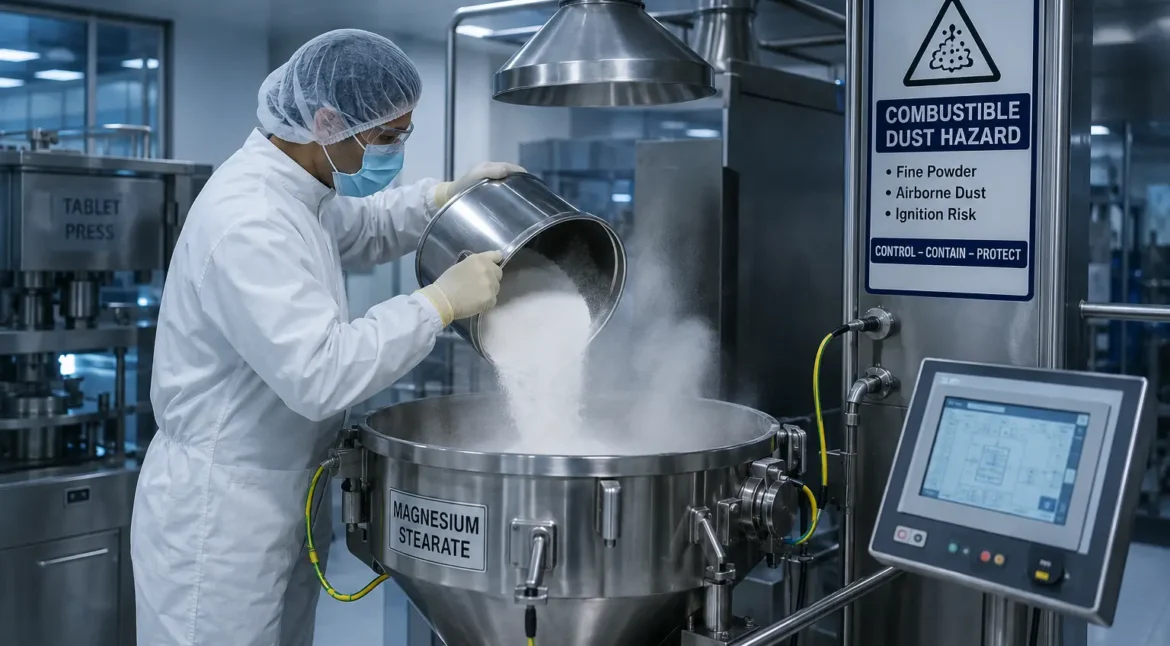
Combustible dust explosions are among the most dangerous and underestimated industrial hazards. Industries handling powders, fine particles, or combustible materials are exposed to significant explosion risks if proper controls are not implemented. Dust explosions can lead to catastrophic incidents involving fires, fatalities, equipment damage, production downtime, and environmental losses. At…
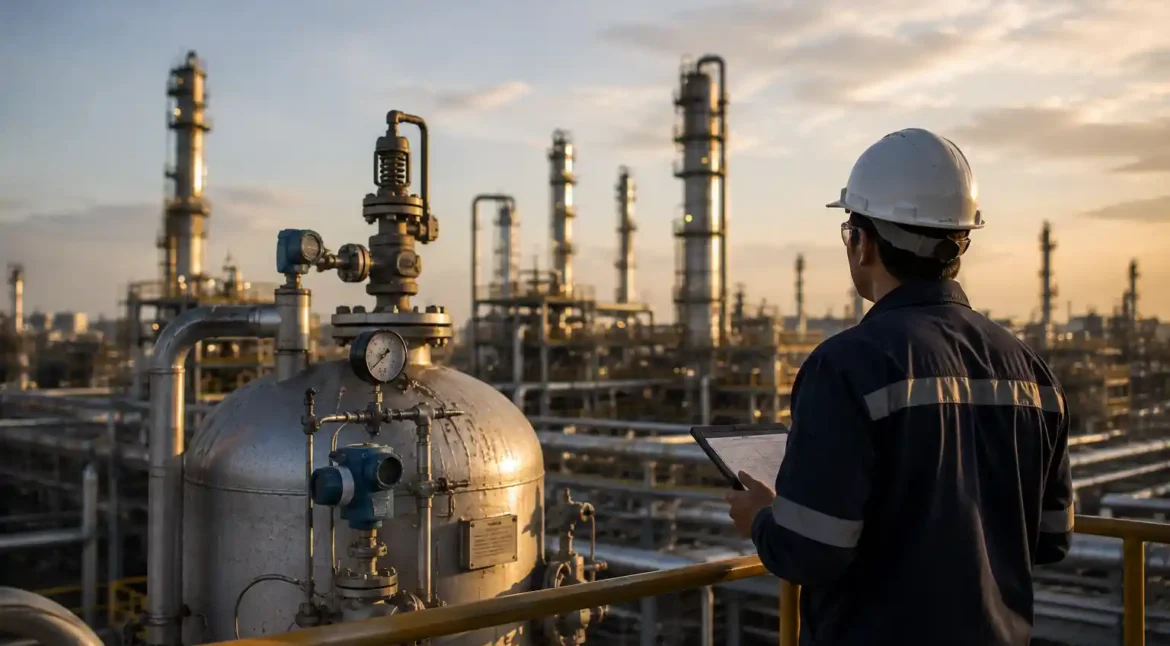
In fire safety and risk management, active suppression systems play a pivotal role in mitigating damage and saving lives. Among these, Medium Velocity Water Spray Systems and High Velocity Water Spray Systems are two of the most effective tools used across industrial and commercial infrastructures. At INDSAFE Consulting & Systems,…
In industrial environments, safety is not just a regulatory requirement—it’s a crucial aspect of operational excellence. From managing electrical systems to safeguarding workers at elevated locations, various assessments and studies play an essential role in reducing risks. Among these, Relay Coordination Study, Arc Flash Study, and Work at Height Safety…
In today’s high-tech industrial landscape, lightning protection system design is not just a regulatory requirement—it’s a smart investment in operational safety and business continuity. This is especially true for sensitive facilities like pharmaceutical manufacturing units, where even a minor electrical surge can result in significant losses, compromised product quality, or…
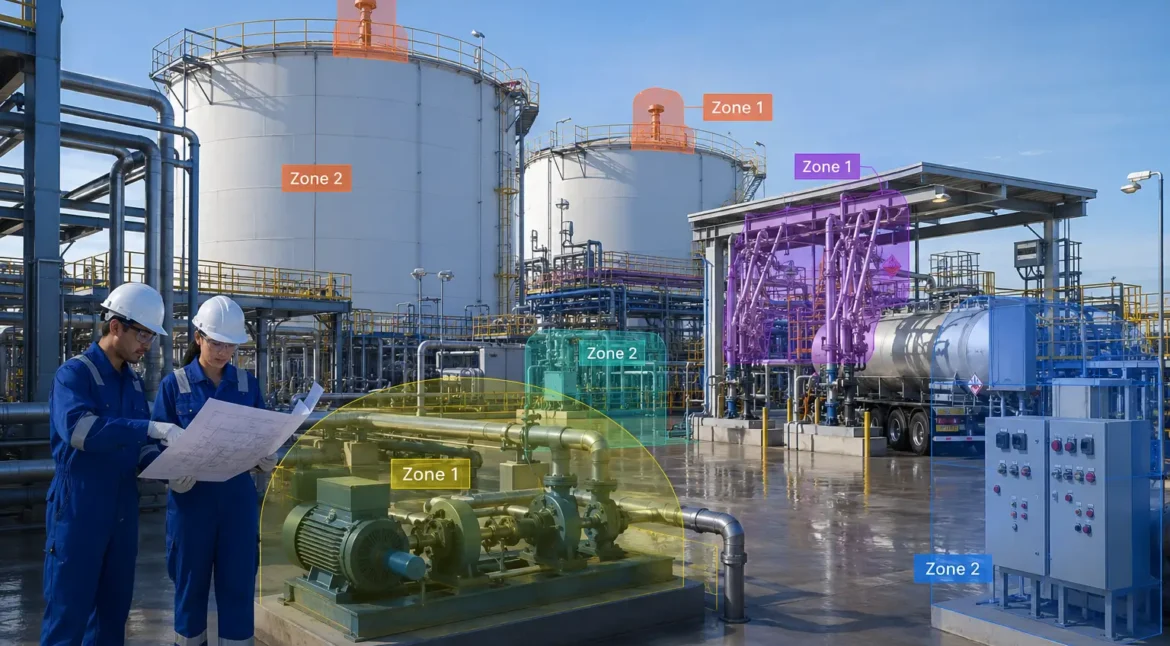
In many industries, hazardous areas present significant safety challenges. From chemical processing plants to oil refineries and grain handling facilities, any location with flammable gases, vapors, liquids, or combustible dusts can pose a risk of explosion or fire. This is where the National Electrical Code (NEC) Hazardous Area Classification comes…
Many times, materials which are used in industries can be explosible under certain conditions. When the material in a finely dust form, suspends in air in the right concentration can burn rapidly. This type dust explosion causes employee deaths, injuries and even damage of property. We at Indsafe recommend suitable…