
Member, National Safety Council

Author: Lakshay Tyagi

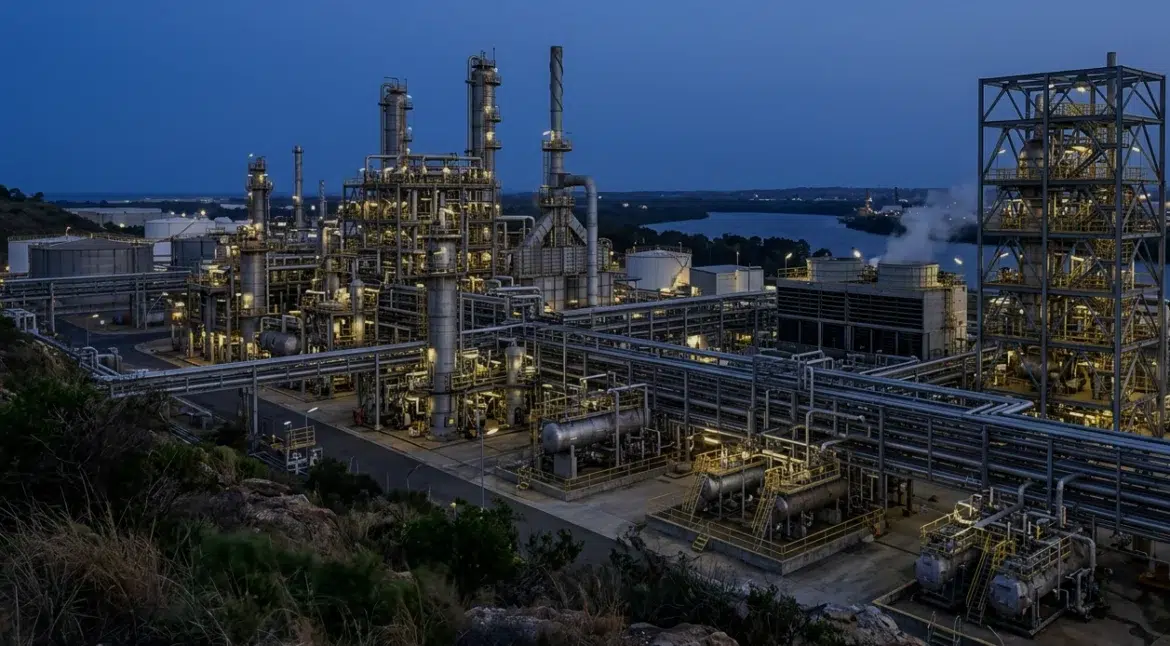
Structural safety assessment of an industrial facility

Structural Safety Assessment for Industrial Facilities: Scope, Methodology & Key Considerations

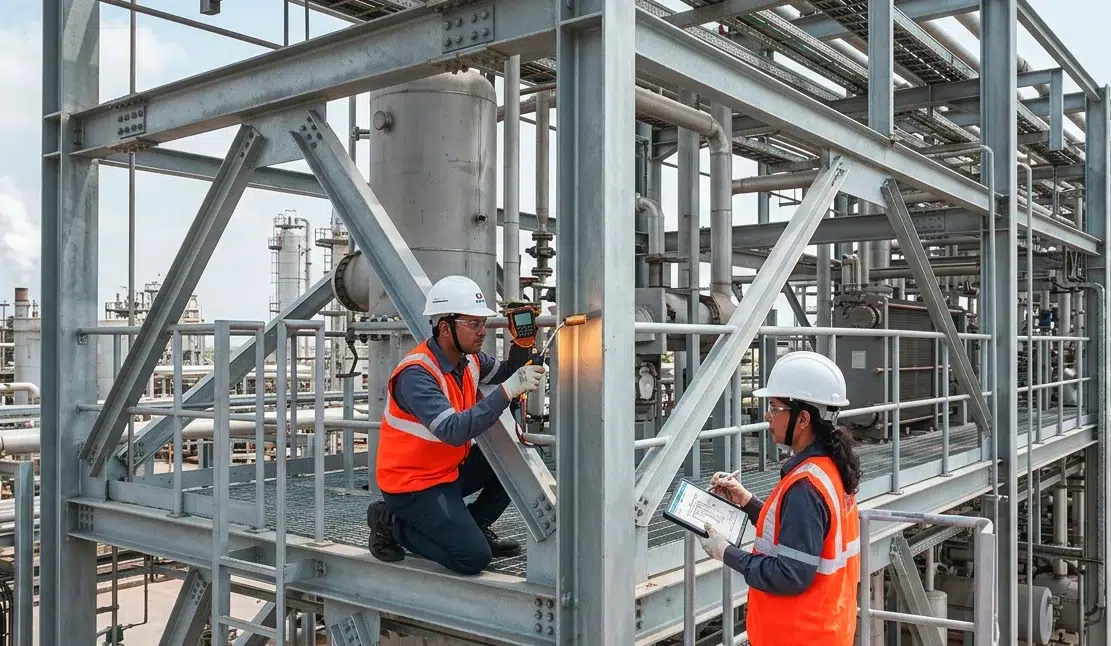
Industrial facilities evolve throughout their operating life. Equipment may be replaced, storage capacities may increase, platforms may be modified, pipelines may be rerouted, and structural members may experience corrosion, vibration, or changing loads. A structural safety assessment helps determine whether the existing structure remains adequate for its current condition, loading,…
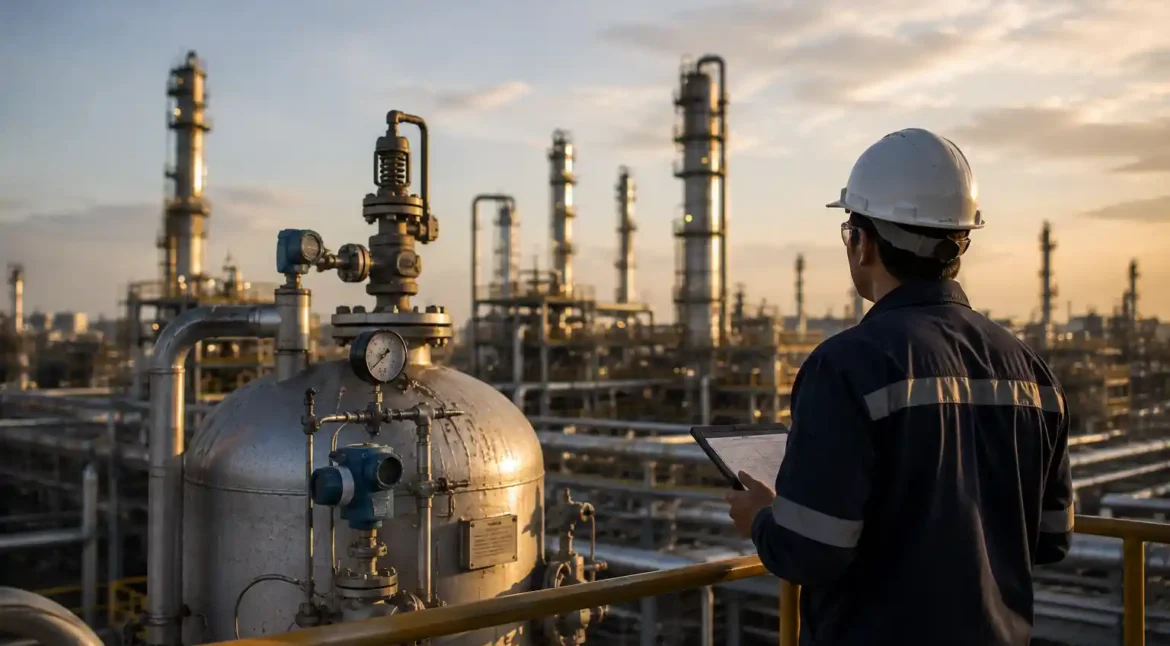
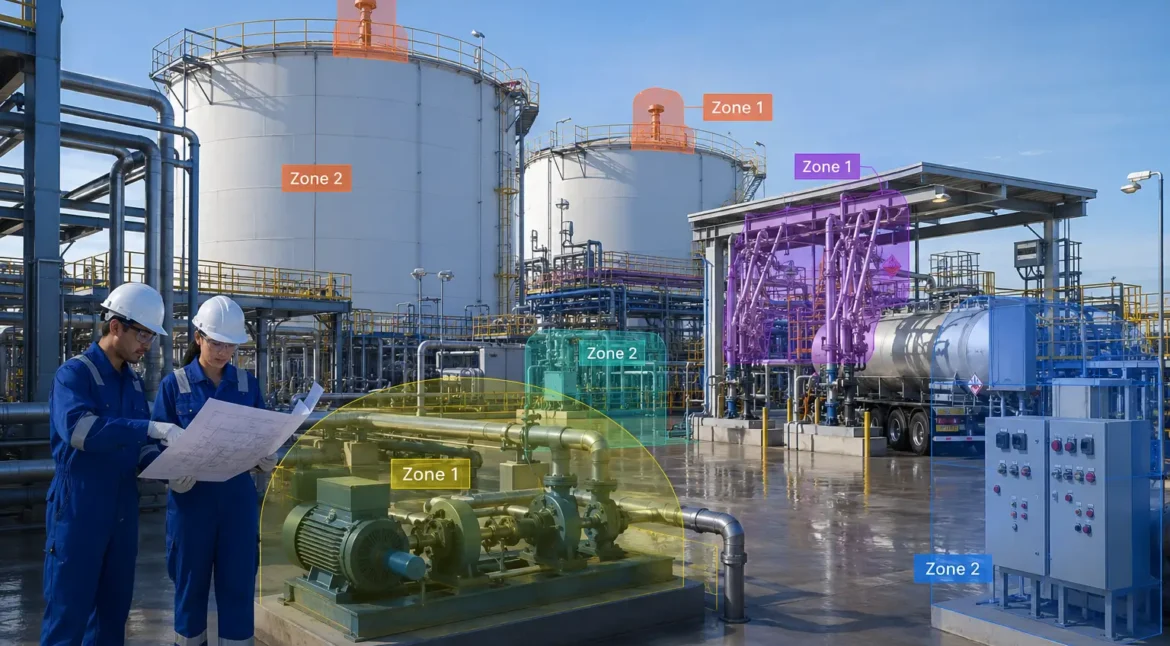
Hazardous Area Classification study showing hazardous zones around industrial process equipment

What is Hazardous Area Classification (HAC)? A Complete Guide for Industrial Facilities

Hazardous Area Classification (HAC) is one of the most important engineering studies for industries handling flammable gases, vapours, mists, or combustible dusts. By identifying locations where explosive atmospheres may occur, Hazardous Area Classification helps engineers select appropriate equipment, implement effective ignition source controls, and design safer industrial facilities. Whether in…
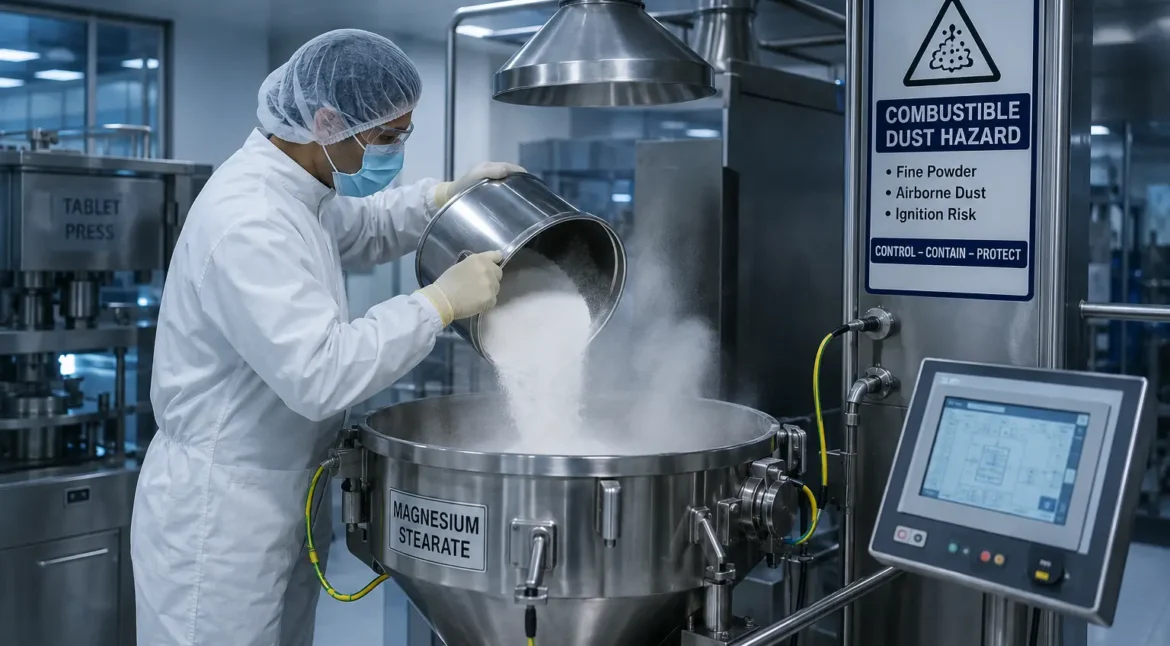
Magnesium Stearate dust explosion hazard during pharmaceutical powder handling and tablet manufacturing

Magnesium Stearate Dust Explosion: Understanding the Hidden Hazard in Pharmaceutical Manufacturing

Magnesium Stearate Dust Explosion is a topic that receives far less attention than it deserves in pharmaceutical manufacturing. Magnesium Stearate is one of the most widely used excipients, commonly added as a lubricant during tablet compression and capsule production to reduce friction, improve powder flow, and prevent materials from sticking…
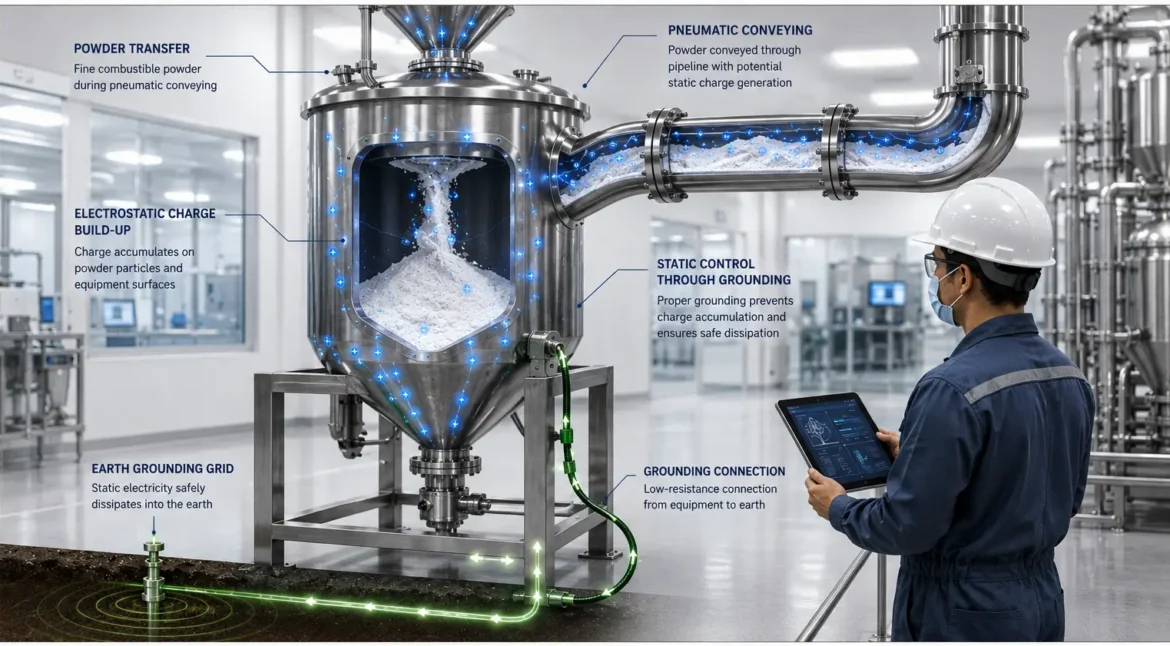
Industrial powder handling system showing effective grounding (earthing) to safely dissipate static electricity and reduce electrostatic hazards during combustible powder processing.

Why Effective Grounding (Earthing) Is Critical in Powder Handling Operations

Powder handling is a routine operation across industries such as pharmaceuticals, chemicals, food processing, agriculture, metals, plastics, and battery manufacturing. Whether powders are being transferred, mixed, conveyed, milled, or packaged, these processes can generate significant electrostatic charges through normal material movement. Under the right conditions, accumulated static electricity can become…
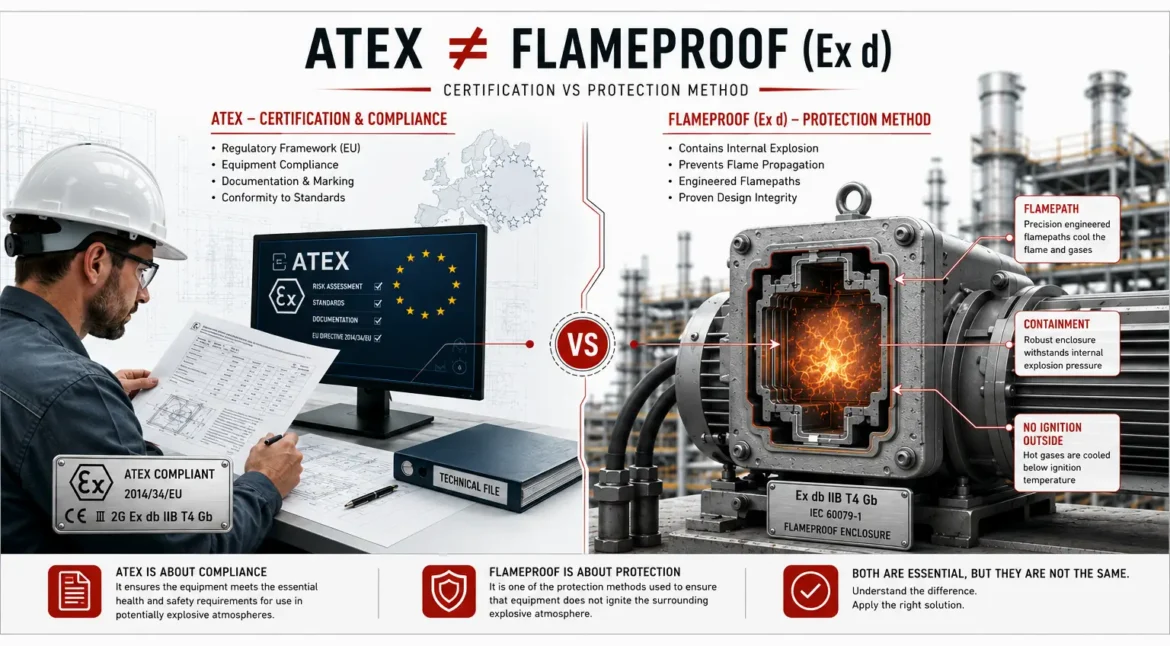
Comparison illustrating the difference between ATEX certification and Flameproof (Ex d) protection for hazardous area equipment under IEC 60079.

ATEX vs Flameproof: Understanding the Difference Between Certification and Ex d Protection

ATEX vs Flameproof is one of the most misunderstood topics in hazardous area engineering. Many engineers, procurement teams, and maintenance professionals assume that every ATEX-certified piece of equipment is Flameproof (Ex d), but this is a common misconception. Terms such as ATEX, Explosion Proof, Flameproof, and Ex Equipment are often…