

In industrial environments, especially those involving combustible gases, flammable liquids, or fine dust particles, safety is paramount. One small oversight can lead to catastrophic consequences, including fires, equipment damage, or even loss of life. Two critical components in maintaining industrial safety and operational integrity are explosion proof classification and Relay…
In today’s dynamic industrial landscape, workplace safety risk assessment is not just a regulatory requirement — it’s a business imperative. Companies must proactively identify, analyze, and mitigate risks to protect their employees, assets, and reputation. Central to this process is the understanding and implementation of hazardous area classification and explosive…
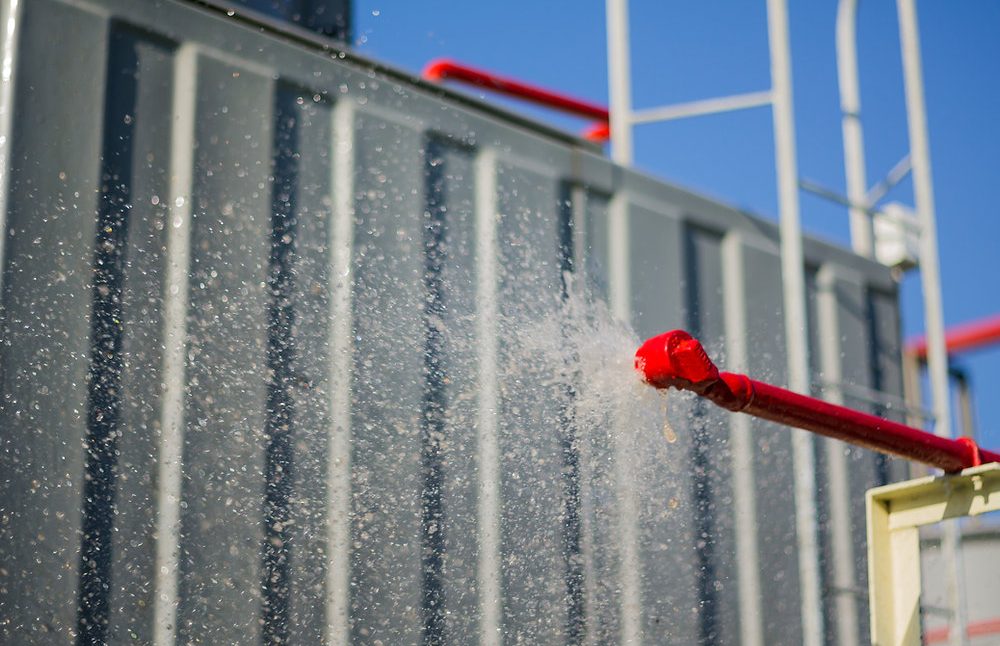
Water spray systems are an essential part of industrial fire protection, designed to suppress fires and minimize damage to critical assets. These systems are particularly effective in controlling high-risk fire hazards in power plants, chemical facilities, and manufacturing industries. Among the most widely used water spray systems are medium velocity…
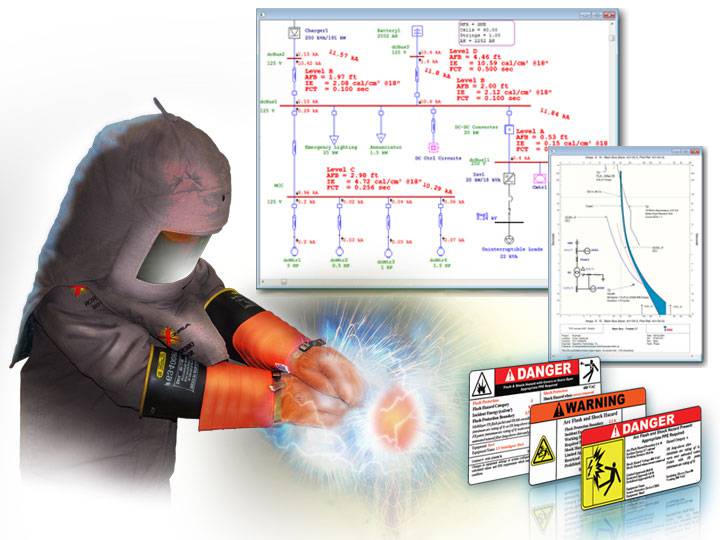
Workplace safety is a top priority for businesses, especially those operating in industries with electrical hazards and fire risks. Understanding and implementing NEC hazardous area classification, conducting a workplace fire risk assessment, and performing an Arc Flash Study are essential steps to protecting employees, equipment, and operations. Understanding NEC Hazardous…
Workplace safety is a cornerstone of a productive, efficient, and compliant organization. One of the most effective ways to maintain safety standards and mitigate risks is through a comprehensive Workplace Safety Risk Assessment. This proactive process identifies potential hazards, evaluates the level of risk, and implements control measures to protect…