

Workplace safety is a top priority for businesses, especially those operating in industries with electrical hazards and fire risks. Understanding and implementing NEC hazardous area classification, conducting a workplace fire risk assessment, and performing an Arc Flash Study are essential steps to protecting employees, equipment, and operations. Understanding NEC Hazardous…
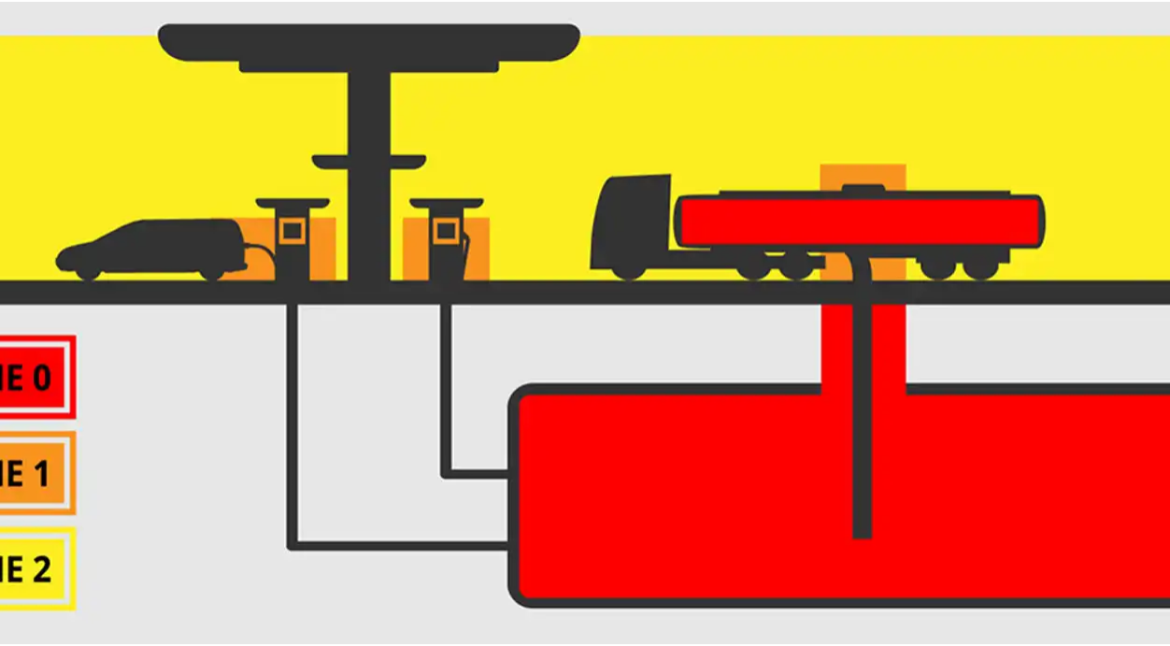
Industries like oil and gas, chemical manufacturing, and mining operate in environments where explosive atmospheres are a critical concern. Proper classification of these zones, referred to as Explosive Zone Classification, is a fundamental step to ensuring the safety of personnel, equipment, and the environment. This article dives into the importance,…
In industries such as agriculture, manufacturing, and chemical processing, combustible dust is a significant safety hazard. Dust hazardous area classification identifies and categorizes areas where combustible dust may ignite, causing explosions or fires. This essential process minimizes risks, ensures compliance with safety standards, and protects workers and infrastructure. This guide…
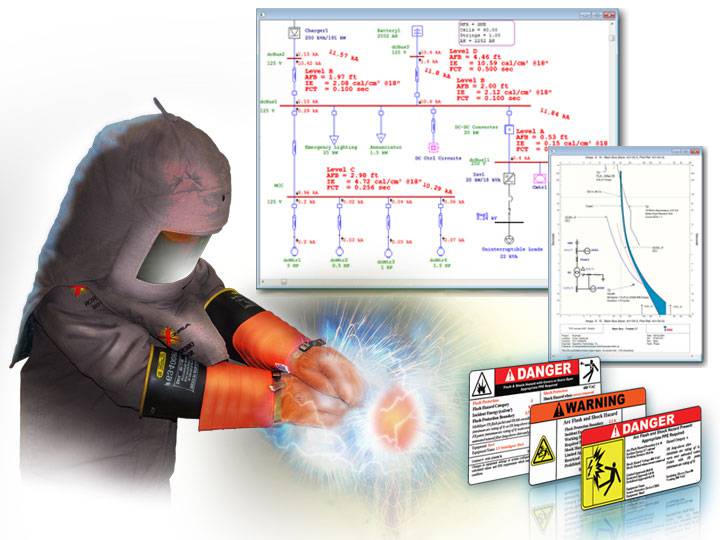
An arc flash is a sudden release of energy caused by an electrical fault, resulting in extreme heat, intense light, and explosive pressure. This phenomenon can cause severe injuries, equipment damage, and costly downtime. Conducting an Arc Flash Study is a critical safety measure for workplaces handling electrical systems. It…
In industries such as oil and gas, chemical manufacturing, pharmaceuticals, and mining, hazardous environments are a daily reality. These settings often involve flammable gases, vapors, dust, or fibers that can ignite, causing catastrophic explosions. To mitigate such risks, the use of explosion-proof equipment is essential. However, not all explosion-proof equipment…
Workplace safety is a cornerstone of a productive, efficient, and compliant organization. One of the most effective ways to maintain safety standards and mitigate risks is through a comprehensive Workplace Safety Risk Assessment. This proactive process identifies potential hazards, evaluates the level of risk, and implements control measures to protect…
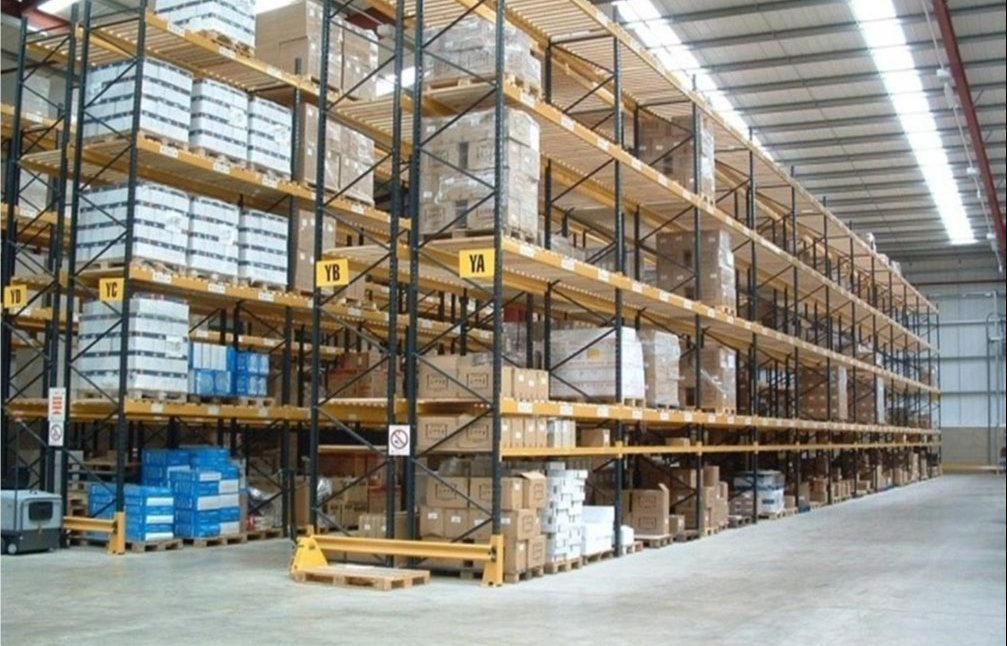
In modern warehouses and distribution centers, pallet racks are the backbone of storage operations. They maximize vertical space, improve inventory organization, and enhance operational efficiency. However, ensuring pallet rack stability is essential to prevent accidents, safeguard employees, and protect valuable inventory. Unstable pallet racks can lead to catastrophic collapses, causing…
Electrical hazards pose significant risks in industrial and commercial spaces, making safety a non-negotiable priority for businesses. Two critical measures to enhance workplace safety are conducting regular electrical safety audits and implementing robust Lightning Protection System (LPS) designs. These measures safeguard lives, assets, and operations while ensuring compliance with safety…
In today’s fast-paced business world, organizations face an ever-growing array of risks that can disrupt operations, damage reputations, and even put lives in danger. Two crucial components in mitigating these risks are corporate compliance risk assessments and workplace fire risk assessments. Understanding and managing these risks effectively is essential to…
In many industries, hazardous areas present significant safety challenges. From chemical processing plants to oil refineries and grain handling facilities, any location with flammable gases, vapors, liquids, or combustible dusts can pose a risk of explosion or fire. This is where the National Electrical Code (NEC) Hazardous Area Classification comes…